
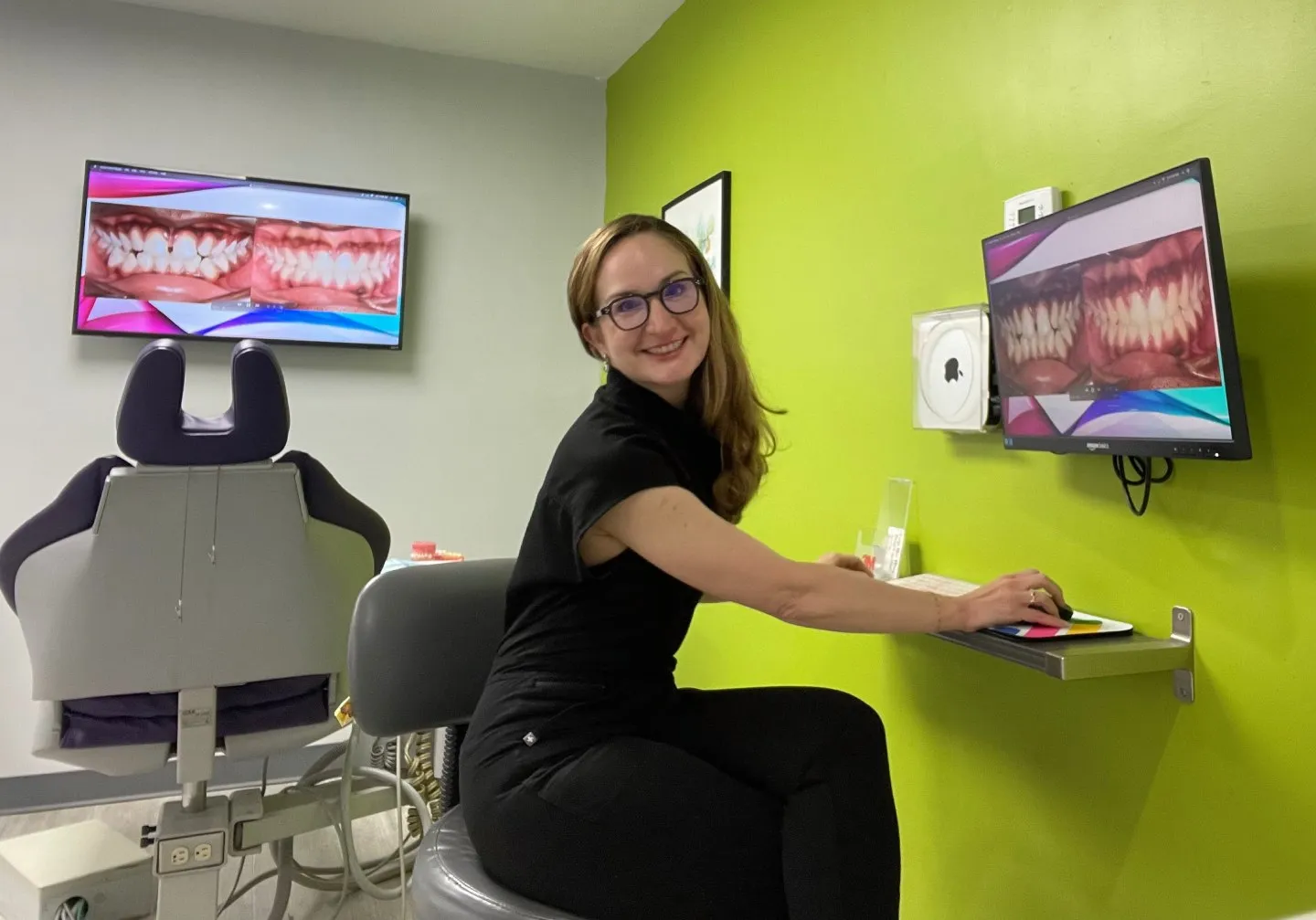
Two-phase treatment splits orthodontic care into two stages. Phase one, usually between ages 7 and 10, guides jaw growth and corrects bite problems early. After a resting period, phase two aligns the permanent teeth with braces or clear aligners. Not every child needs it.
Parents often hear the words "two-phase treatment" at their child's first orthodontic visit and wonder whether it's really necessary. It is a fair question. At Braces World Orthodontics, our board-certified orthodontists recommend two-phase treatment only for children with specific jaw or bite problems that are easier to correct while they are still growing. For many kids, the right answer is simply to wait and monitor. Here is how we decide.
What Is Two-Phase Orthodontic Treatment?
Two stages with a break in between
Two-phase treatment involves two separate stages of orthodontic care with a resting period in between. The first phase guides how the jaws grow and creates room for adult teeth. The second phase fine-tunes the position of the permanent teeth once they have come in.
How it differs from regular braces
Comprehensive treatment, what most people think of as braces, usually starts around age 11 or older, once most permanent teeth are in, and corrects everything in one stage. Two-phase treatment adds an earlier stage for problems that shouldn't wait.
What Happens in Phase One?
Early intervention
Phase one typically starts between ages 7 and 10. The goal is to create the proper foundation for future dental development. We may use appliances like expanders or partial braces to guide jaw growth, correct bite issues, or prevent more serious problems from developing.
Problems phase one can address
- Crossbites, where upper teeth sit inside lower teeth
- Severe crowding that leaves no room for adult teeth
- Underbites and some overbites linked to jaw growth
- Narrow upper jaws
- Habits like thumb sucking that are changing the bite
What Is the Resting Period?
Letting teeth come in
After phase one, the remaining permanent teeth erupt naturally while we monitor growth and development. Children usually don't wear active appliances during this time, though some wear a retainer to hold the phase one results.
Regular check-ins
We see your child periodically to track how the teeth and jaws are developing. That way, phase two starts at the right time, not too early and not too late.
What Happens in Phase Two?
Final alignment
Once most or all adult teeth are in, phase two begins, often with braces or Clarity Aligners. This stage moves each tooth into its final position and perfects the bite.
Shorter and simpler
Because phase one already addressed the bigger structural problems, phase two can often be simpler. Two-phase treatment can reduce the need for more invasive procedures and minimize time in braces later.
Two-Phase vs. One-Phase Treatment
| Two-phase treatment | One-phase (comprehensive) treatment | |
|---|---|---|
| Typical start | Ages 7 to 10 for phase one | Around age 11 or older |
| Best for | Jaw growth or bite problems that are easier to fix early | Crowding, spacing and bites that can wait for adult teeth |
| Appliances | Expanders, partial braces, then braces or aligners | Braces or clear aligners |
| Advantage | Uses growth to guide the jaws | One continuous treatment |
| Consideration | Two treatment stages over several years | Some problems are harder to fix after growth |
How Do You Know if Your Child Needs It?
The age 7 evaluation
We recommend an orthodontic evaluation by about age 7. At that age, we can see how the jaws are growing and how the adult teeth are coming in. Even if no treatment is needed right away, we track your child's development and plan for the right time.
Signs to watch at home
- Early or late loss of baby teeth
- Difficulty chewing or biting
- Teeth that are very crowded or have big gaps
- The jaw shifts to one side when your child bites down
- Mouth breathing or continued thumb sucking
- Lower teeth that close in front of the upper teeth
Honest recommendations
As a family-run, Hispanic-owned practice, we treat every child the way we would treat our own. We'll never recommend treatment your child doesn't need. If waiting is the better choice, we'll tell you.
How Is Two-Phase Different From Interceptive Treatment?
Related approaches
Interceptive orthodontics is early, preventive treatment, usually for children ages 6 to 10, that addresses problems like crowding, crossbites, thumb sucking and early loss of baby teeth. Phase one of two-phase treatment is a type of interceptive care. Learn more on our interceptive orthodontics in Ridgewood page.
Close to home
Families in East Elmhurst can find the same care described on our two-phase treatment in East Elmhurst page, and Ridgewood families can visit our two-phase treatment in Ridgewood page.
What Does Two-Phase Treatment Cost?
Personalized plans
Cost depends on your child's needs and the appliances involved. At your consultation, we'll explain costs and timelines clearly, with no hidden fees.
Help with payment
We are in-network with many major insurance providers and offer flexible monthly payment plans. Families who were denied Medicaid coverage can ask about our budget-friendly options; our post on braces without Medicaid has more details.
What Appliances Are Used in Phase One?
Common tools
Phase one appliances depend on the problem being treated. Expanders gently widen a narrow upper jaw to correct crossbites and make room for adult teeth. Partial braces on a few front teeth can straighten teeth that are causing bite problems. Space maintainers hold room for adult teeth when baby teeth are lost early, and habit appliances help children stop thumb sucking.
Getting used to them
Most children adjust to phase one appliances within a week. Our bilingual team shows parents and kids how to clean them and what to expect, so everyone feels comfortable at home.
Frequently Asked Questions
Is two-phase treatment worth it?
For children with jaw growth or bite problems, it can make later treatment simpler and help avoid more invasive procedures. For others, waiting is better. An evaluation tells you which applies.
Will my child still need braces after phase one?
Most children do have a second phase, but it is often shorter or simpler.
Does phase one hurt?
Expanders and partial braces can cause some pressure for a few days. Most children adjust quickly.
What age is too late for phase one?
Phase one works best while the jaws are growing. Older children are usually treated with one comprehensive phase.
Schedule Your Child's Evaluation
Early care can make a big difference for the right child. Book a free consultation at Braces World in Ridgewood, East Elmhurst or Freeport, and our board-certified orthodontists will let you know whether two-phase treatment makes sense.