
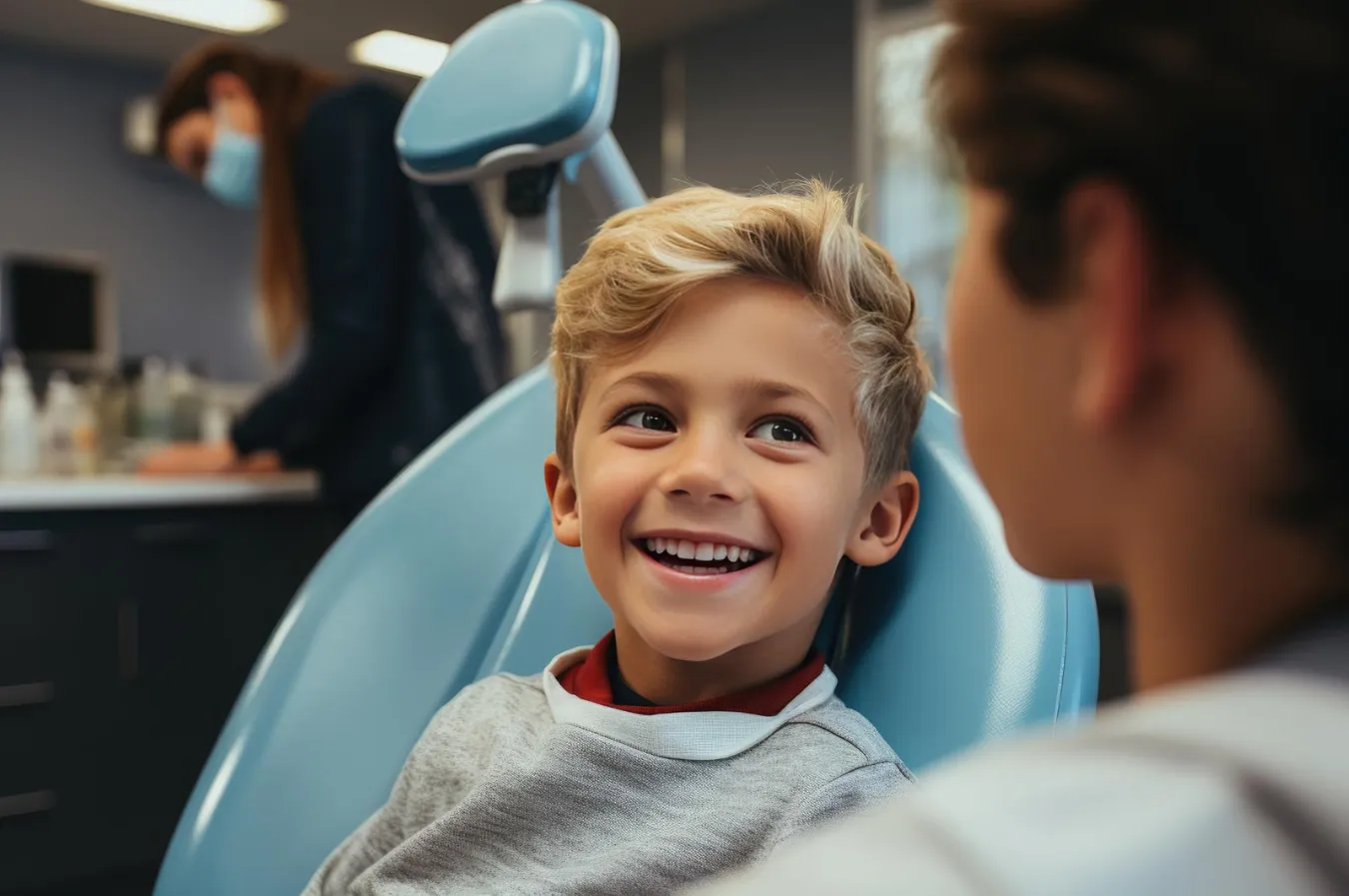
Early orthodontic care—often called interceptive or Phase I treatment—is focused on children between ages 6 and 10. While many parents think orthodontic work should wait until teenage years, intervening early can set the stage for healthier bite development, smoother Phase II treatment later, and fewer complications down the road.
Understanding Orthodontic Development in Children
When children still have their baby teeth, their jawbones are actively growing. This provides a window of opportunity to gently guide growth, correct bite issues, and reduce overcrowding before all the adult teeth appear. Monitoring development during early years helps orthodontists identify risks such as skeletal imbalances, abnormal oral habits, or eruptive problems—before they progress into more serious cases.
Key Goals of Early Orthodontic Care
Orthodontists aim to:
- Guide jaw growth — To support facial development and improve future alignment
- Create space — For erupting adult teeth, especially in crowded mouths
- Prevent worsening of bite issues — Like crossbite, deep bite, overjet or underbite
- Address functional habits — Such as thumb-sucking or tongue thrusting early on
- Minimize the need for extractions or surgery later — Through early intervention
This thoughtful, proactive approach often results in shorter treatment later on, reduced complexity, and a more predictable outcome.
Phase I (Interceptive) Treatment Explained
Phase I—or interceptive—treatment typically begins between ages 6 and 10. It’s tailored to children in mixed dentition (both baby and permanent teeth). While each case varies, common early treatments include:
- Palatal expanders — To gently widen the upper jaw and alleviate crossbites or crowding
- Space maintainers — To preserve space after early loss of baby teeth
- Partial braces — On front teeth to address alignment or midline shifts
- Habit appliances — To discourage prolonged thumb-sucking or tongue thrust
This phase doesn’t necessarily guarantee braces will be avoided later—it aims to make any full-phase treatment more effective and less extensive.
Resting & Monitoring Phase
After Phase I, children enter a resting and monitoring phase. No active treatment is typically required at this stage. Instead, periodic check-ups monitor tooth eruption and jaw growth. This allows orthodontists to plan Phase II (full treatment) at the optimal time—usually once most permanent teeth have emerged. With early issues partially addressed, Phase II tends to progress faster with fewer adjustments needed.
Who Can Benefit from Early Treatment?
Early orthodontic evaluation is not for every child—but it is especially helpful in these situations:
- Crossbite or asymmetrical jaw growth
- Severe crowding or spacing in a 6–10 year‑old
- Early or delayed loss of baby teeth
- Oral habits like thumb-sucking or tongue thrust
- Teeth that are blocked or impacted (especially upper canines)
- Functional issues — snoring, mouth breathing, or jaw discomfort
Even in borderline cases, a no‑pressure consultation helps give parents clarity and reassurance. Monitoring development carefully prevents surprises later on—and positions families to make informed decisions.
Benefits of Starting Orthodontic Care Early
Starting early offers a wide range of advantages—not only for dental health but overall well‑being and self‑confidence:
Health & Function
Early intervention supports jaw growth, improves chewing and breathing function, and helps align the bite properly before more severe hygiene or skeletal issues arise.
Reduced Complexity Later
Correcting skeletal or spacing problems early may eliminate or simplify full-phase treatment later on, reducing the risk of needing tooth extractions or surgical interventions.
Faster, More Predictable Phase II Treatment
With jaw structure already guided, the full orthodontic phase is often shorter and more efficient—delivering stable results faster.
Greater Confidence
Correcting visible bite or alignment issues early can improve speech, appearance, and self-esteem during sensitive school years.
Cost & Time Savings
While early treatment involves additional consultations, it sometimes reduces overall treatment time or complexity—resulting in savings for families in the long run.
Common Misconceptions Parents Have
“Braces cause delays later on.”
On the contrary—early treatment often streamlines Phase II, making it shorter and requiring fewer active phases.
“Baby teeth don’t matter.”
Baby teeth act as natural placeholders for adult teeth. Losing them too early—or keeping them too long—can cause misalignment of permanent teeth.
“Treatment will reset and need to be repeated.”
Modern orthodontic planning focuses on long-term growth patterns. Phase I combined with well‑timed Phase II results in stable, lasting alignment.
When Should My Child See an Orthodontist?
The American Association of Orthodontists recommends an initial screening by age 7. Even if treatment isn't needed immediately, early evaluation gives the orthodontist a baseline and offers parents peace of mind. From there, treatment can begin when it's clinically appropriate—whether that’s interceptive Phase I or a watch‑and‑wait approach.
Local Considerations for East Elmhurst Families
In East Elmhurst, NY, bilingual care and cultural sensitivity are essential. Local children benefit from personalized guidance in English and Spanish—especially when growth patterns, habit correction, and early treatment discussions are best explained in a language they understand. Local practice familiarity and oral health support in the community help reduce barriers and build trust.
Final Thoughts
Early orthodontic care is about timing and prevention—setting the foundation for a healthy, functional and confident adult smile. While not every child needs interceptive treatment, identifying potential issues early helps avoid more invasive procedures—and supports better outcomes overall.
Ready to Learn More?
If you're wondering whether early orthodontic evaluation is right for your child, consider booking a no-charge consultation. Braces World Orthodontics has been Perfecting Smiles Since 2008, offering honest, personalized guidance tailored to families in East Elmhurst—treating every child like one of our own.
Our bilingual team supports both English- and Spanish-speaking patients. Whether or not treatment is needed today, we're here to help you understand your options and plan wisely. Get in touch when you're ready to learn more about interceptive care or schedule a screening.