
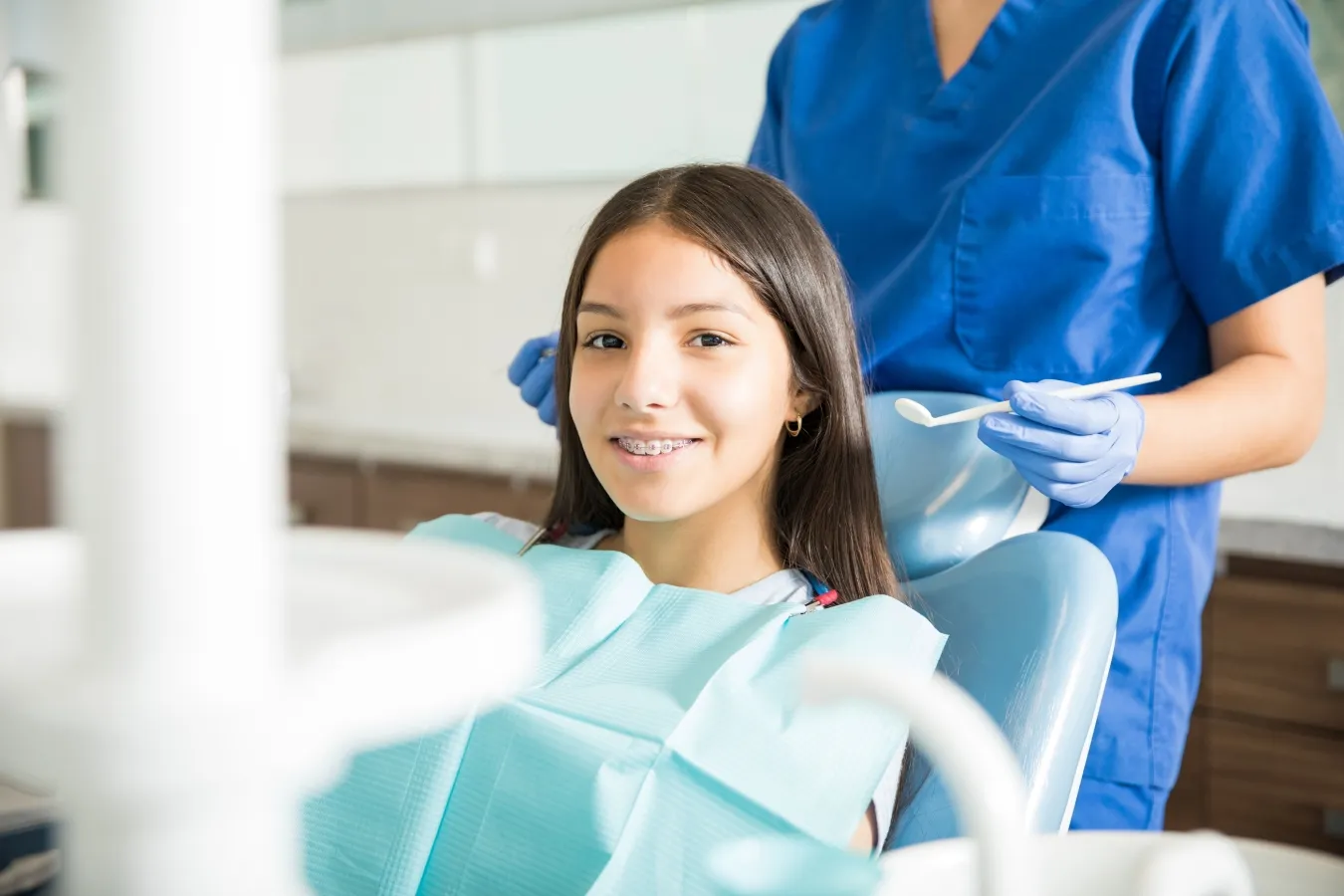
As a parent, you want the best for your child—especially when it comes to their health and well-being. So, when your Medicaid application for orthodontic treatment is denied, it’s only natural to wonder: Does my child still need braces? And if so, what should I do now?
Medicaid decisions can be confusing. The system focuses on strict medical criteria, which means your child’s needs may not always line up with what Medicaid considers “necessary.” But just because coverage was denied doesn’t mean treatment isn’t important.
In this guide, we’ll break down what a Medicaid denial really means, how to tell if your child could still benefit from braces, and what options are available for families in New York—even without insurance approval.
Understanding What a Medicaid Denial Really Means
Orthodontic treatment is one of the few dental services that Medicaid only covers under specific conditions. In New York, for Medicaid to approve braces, a child’s orthodontic needs must be classified as medically necessary—not simply cosmetic.
This typically includes:
- Severe misalignment of the bite or jaw
- Difficulty chewing, speaking, or breathing
- Issues that interfere with normal development
Unfortunately, many common concerns—like crowding, gaps, or mild overbites—don’t qualify under Medicaid’s guidelines. That means even if a dentist or orthodontist recommends treatment, the application might still be denied.
But a denial from Medicaid doesn’t mean your child’s orthodontic issues aren’t valid. It simply means they don’t meet Medicaid’s specific criteria—not that treatment wouldn’t be beneficial.
Signs Your Child May Still Need Braces
Every child’s mouth is different, and the signs that orthodontic treatment is needed aren’t always obvious. If Medicaid says no, but you’re still unsure whether to pursue treatment, consider the following indicators.
Common signs your child may benefit from braces:
- Crowded or overlapping teeth — Makes brushing and flossing more difficult, increasing the risk of cavities
- Noticeable gaps between teeth — Can affect spacing and bite alignment over time
- Frequent biting of the cheeks or lips — May indicate misalignment
- Mouth breathing or snoring — Often related to jaw development or bite issues
- Early or late loss of baby teeth — Can disrupt the normal eruption of permanent teeth
- Difficulty chewing or speaking clearly — Could be a sign of an underlying orthodontic concern
Even if these concerns aren’t classified as "medically necessary" by Medicaid, they can still impact your child’s comfort, function, and self-esteem.
The Long-Term Benefits of Orthodontic Treatment
Braces aren’t just about straight teeth—they’re about improving function and preventing long-term problems. Skipping treatment now can lead to more serious dental issues later.
Long-term benefits of braces include:
- Better oral hygiene — Straight teeth are easier to clean, reducing the risk of decay and gum disease
- Improved bite and jaw alignment — Prevents wear and tear on teeth, jaw pain, and other complications
- More efficient chewing and digestion — Especially for children with bite or alignment issues
- Speech improvement — In cases where misalignment affects articulation
- Boosted confidence — Children who feel proud of their smile are often more outgoing and self-assured
Many of these outcomes may not be taken into account during the Medicaid evaluation—but they matter significantly in your child’s day-to-day life.
When to Get a Second Opinion
If Medicaid has denied coverage, and you’re unsure about next steps, consider seeking a second opinion from another orthodontist. A fresh evaluation may:
- Reveal issues that weren’t documented thoroughly in the original application
- Provide updated X-rays or clinical photos
- Offer alternative treatment approaches that weren’t discussed before
- Clarify whether the condition is likely to worsen without intervention
A second opinion doesn’t lock you into treatment—it simply gives you more clarity and confidence in whatever decision you make next.
What If Treatment Isn’t Urgent Right Now?
In some cases, the best course of action might be to monitor your child’s development and reassess in the future. Orthodontists often recommend early evaluations around age 7, but treatment isn’t always necessary right away.
Watch for changes like:
- Worsening crowding or spacing
- Shifts in jaw position
- Changes in your child’s bite
- New complaints about discomfort when chewing or brushing
Many orthodontic issues progress over time, so staying in touch with a provider for periodic check-ins can help you time treatment effectively.
Affordable Options If You Decide to Move Forward
If you and your orthodontist determine that braces are still a smart choice, there are several ways to make treatment affordable—even without Medicaid.
Common solutions include:
- Monthly payment plans — Spread the cost out over time with low or no interest
- In-house financing — Offered directly through the practice with flexible terms
- Discounts for multiple children — Some providers offer savings for siblings
- Sliding scale fees — Based on household income in some cases
- Free consultations — No upfront cost to explore your options
Many practices also accept Health Savings Accounts (HSAs) or Flexible Spending Accounts (FSAs), which can reduce your out-of-pocket expenses using pre-tax funds.
How to Talk to Your Child About a Denial
If your child was excited—or even nervous—about getting braces, a denial can be confusing and disappointing. It’s important to explain that:
- The decision wasn’t based on how “bad” their teeth are
- Insurance systems don’t always reflect real needs
- You’re still exploring options and next steps
Keep communication open and positive. Let your child know that you’re focused on what’s best for their health, and that you’re doing everything possible to support them.
Medicaid Denied Braces—Now What?
A Medicaid denial doesn’t mean your child’s smile isn’t important. It just means the system didn’t approve coverage based on specific clinical guidelines. But your child’s comfort, confidence, and long-term oral health are still worth investing in.
Whether you’re exploring a second opinion, watching for signs of progression, or ready to move forward with affordable treatment, there are paths forward—and providers who are ready to help.
We're Here to Help—With or Without Medicaid
If your child’s Medicaid application for braces was denied, know that you’re not alone. Families throughout East Elmhurst, Ridgewood, and Freeport trust experienced providers who offer flexible options and compassionate care—regardless of insurance status.
Braces World Orthodontics offers free consultations and budget-friendly payment plans designed to meet your family’s needs. If you're still unsure whether treatment is the right step, our team is here to provide guidance and support every step of the way.
Schedule your free consultation today and find out what’s possible for your child’s smile—no pressure, just honest answers.