
How to Choose the Right Orthodontist: A Complete Guide for Families
Finding the right orthodontist can feel overwhelming. With so many options available, figuring out which provider is the right fit takes some research. This guide walks you through what to look for, from credentials and technology to orthodontic solutions and payment flexibility, so you can pick the right fit for yourself or your family.
What Makes an Orthodontist Different From a General Dentist?
An orthodontist is a dental specialist who completes two to three years of residency training beyond dental school, focusing exclusively on correcting bite problems, aligning teeth, and positioning jaws. While all orthodontists are dentists, not all dentists are orthodontists.
This intensive residency program covers tooth movement, facial development, and jaw positioning in depth that general dental training simply doesn't match. General dentists receive broad training across all areas of oral health but lack this concentrated expertise in alignment and bite correction.
Board certification from the American Board of Orthodontics represents an even higher standard. Board-certified orthodontists have voluntarily completed rigorous examinations and case presentations demonstrating deeper expertise. This credential signals a commitment to excellence that goes beyond basic licensing requirements.
The practical difference matters more than you might think. Orthodontists see alignment cases every day. They understand the nuances of complex bite issues, jaw discrepancies, and growth patterns that general dentists may encounter only occasionally. Some general dentists offer clear aligners, but they may not have the specialized training to manage complications or achieve optimal results in challenging cases.
When your smile is on the line, that extra training shows up in the quality of your results.
How to Evaluate an Orthodontist: A Step-by-Step Process
Choosing a board-certified orthodontist involves six key steps: verifying credentials, researching technology, reviewing results, reading patient reviews, scheduling a free consult, and comparing treatment plans.
Verify Credentials First
Confirm the orthodontist is licensed in your state and has completed an accredited orthodontic residency. Look for board certification from the American Board of Orthodontics, which you can verify directly through the ABO website. Years of experience matter too, especially for complex cases.
Check the Technology
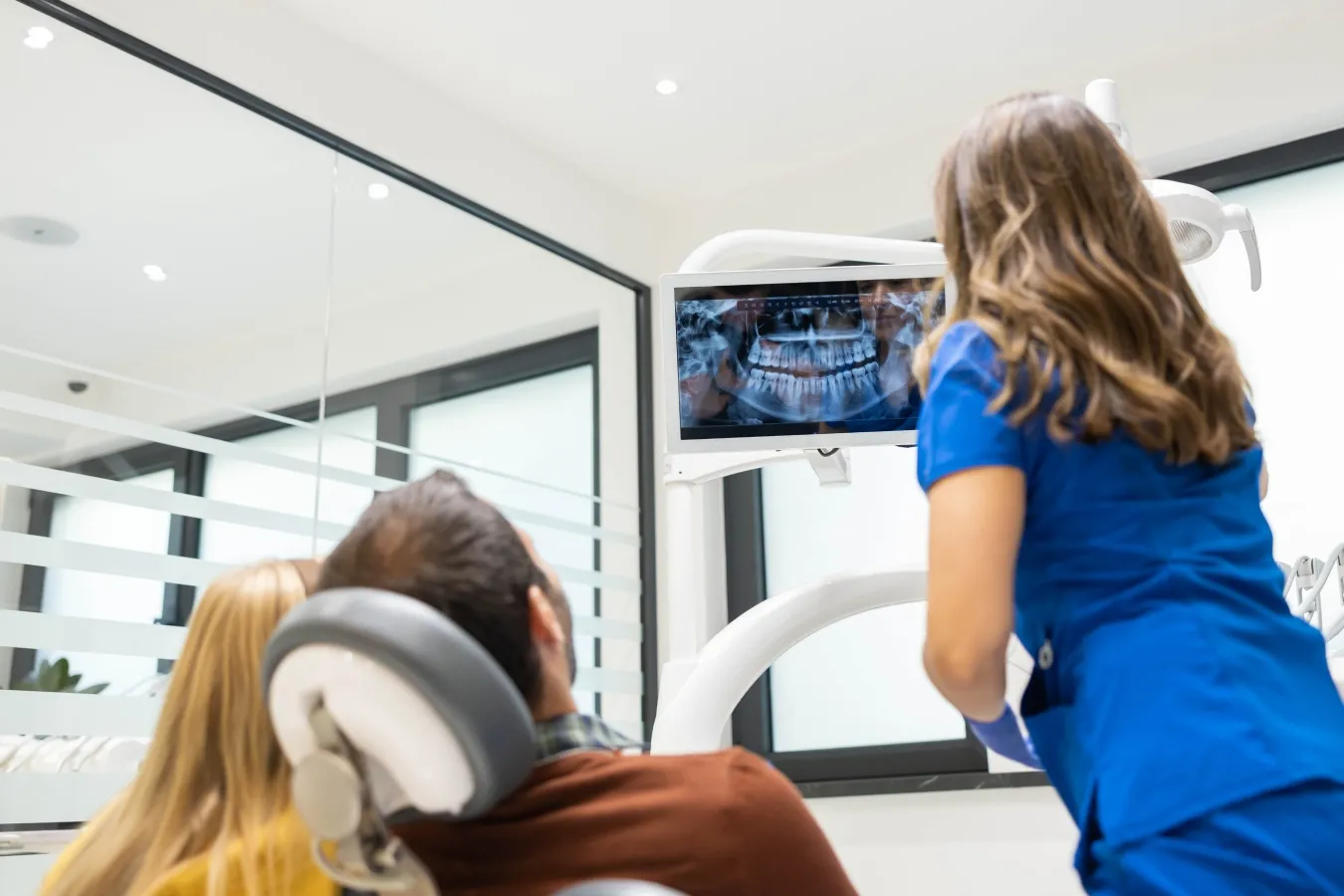
Modern orthodontic practices use digital scanning instead of messy impressions. 3D imaging capabilities allow for more precise treatment planning, and advanced technology often translates to more comfortable care and better outcomes. During your visit, ask what tools the practice uses.
Review Before-and-After Photos
Ask to see cases similar to yours. A practice that regularly treats your type of alignment issue will have plenty of examples to share. Pay attention to the quality and consistency of results across different families.
Read Patient Reviews Carefully
Check Google, Yelp, and health-specific platforms for honest feedback. Look for patterns. Do families mention friendly team members? Clear communication? A few negative reviews are normal for any practice, but consistent complaints about the same issues are red flags.
Schedule a Free Consult
Nothing replaces an in-person visit. Pay attention to how the team treats you from the moment you walk in. Does the orthodontist take time to explain your options? Do you feel heard? Many practices offer free consultations so you can evaluate the experience without financial commitment.
Compare Treatment Plans Side by Side
Get consultations from two or three orthodontists before deciding. Compare their recommended treatments, estimated timelines, and payment options. The right practice will offer transparent pricing and flexible payment plans that work for your budget.
Benefits of Choosing the Right Orthodontist
Working with a board-certified orthodontist delivers advantages that go well beyond a straighter smile. Key benefits include:
- More accurate diagnosis that targets root causes, not just visible symptoms
- Access to the full range of orthodontic solutions for every case type
- Specialized training to handle complex cases like jaw discrepancies and impacted teeth
- Lower risk of relapse or retreatment down the road
- A stronger patient-provider relationship that leads to better compliance and outcomes
Accurate Diagnosis Sets the Foundation
An experienced orthodontist identifies the root cause of your alignment issues, not just what's visible. This precision leads to more effective treatment plans and often shorter timelines. Getting the diagnosis right from day one means fewer surprises later.
The Full Range of Orthodontic Solutions
Specialists offer the full range of orthodontic solutions: traditional metal braces, ceramic braces, clear aligners, two-phase treatment for kids, and even surgical orthodontics for complex cases. You get the treatment that's truly right for your needs. Every mouth is different, and a one-size approach rarely delivers the best results.
Specialists Handle the Hard Cases
Jaw discrepancies, impacted teeth, severe crowding: these situations require specialized expertise. Board-certified orthodontists have the training to handle complications and adjust treatment as needed. Our board-certified orthodontists bring this level of skill to every case they treat.
Better Results That Last
Proper treatment reduces your risk of relapse or the need for retreatment. Spending a bit more now with a specialist saves you from paying twice later. Families who choose a qualified specialist typically spend less overall because they get it right the first time.
A Treatment Experience You Can Trust
When you feel comfortable with your orthodontist, you're more likely to follow instructions, attend your visits, and stay engaged throughout treatment. Our board-certified orthodontists build that kind of trust with every family they treat.
Comparing Your Orthodontic Options: What to Weigh Before Deciding
Not all orthodontic providers are equal. The table below breaks down how the main options compare:
| Factor | Private Orthodontist | Dental Chain | DIY Aligner Company |
|---|---|---|---|
| Provider Credentials | Board-certified specialist | Varies (may be general dentist) | No in-person provider |
| Treatment Variety | Full range (braces, aligners, surgical) | Often limited | Clear aligners only |
| Technology | Digital scanning, 3D imaging | Varies by location | Mail-order impressions |
| In-Person Monitoring | Regular check-ups | Periodic visits | Remote only |
| Complex Case Capability | Yes | Limited | No |
| Cost Transparency | Usually clear upfront | May vary | Advertised price may not include add-ons |
| Personal Attention | High | Moderate | Minimal |
The takeaway: private, board-certified orthodontists offer the most thorough, personalized care compared to chains and DIY options. That difference shows up in both results and the overall treatment experience.
Private Orthodontist vs. Dental Chain
Private practices often provide more one-on-one care and continuity. You see the same orthodontist throughout your treatment, which means they know your case inside and out. That consistency matters. Dental chains may offer convenience and extended hours, but you might see different providers at each visit.
In-Person Care vs. Remote Monitoring
DIY aligner companies promise convenience, but they skip the in-person examinations that catch problems early. According to the American Association of Orthodontists, orthodontic treatment should always involve direct, in-person supervision by a licensed orthodontist. Remote-only monitoring cannot detect issues like root damage, gum recession, or bite problems until they become serious.
What Makes a Practice Truly Family-Friendly?
Look for practices that treat families of all ages. A practice experienced with kids, teens, and adults can serve your whole family and adapt to different needs over time. A private, family-friendly practice treating kids, teens, and adults, with board-certified orthodontists who specialize in care for every age group is ideal.
Understanding Orthodontic Costs and Payment Options
Orthodontic treatment costs vary based on case complexity, treatment type, duration, and geographic location. Most families can expect to spend several thousand dollars depending on their case. Most practices offer free consultations and flexible payment plans to help families move forward with confidence.
What Affects Treatment Cost?
Several factors influence pricing:
- Case complexity (mild crowding vs. severe bite issues)
- Treatment type (metal braces, ceramic braces, clear aligners)
- Treatment duration (some cases take longer than others)
- Geographic location and practice overhead
Comparing quotes across practices is always worth the effort.
Are Free Consultations Standard?
Most orthodontic practices offer free or low-cost initial consultations. This first visit includes an examination, discussion of your concerns, and a preliminary treatment recommendation. Take advantage of this to compare practices without financial commitment.
How Can I Make Treatment More Affordable?
Ask about:
- In-house financing with low monthly payments
- Payment calculators to estimate your costs
- Insurance acceptance and coordination of benefits
- Discounts for paying in full upfront
Good practices make payment flexible so cost doesn't hold you back. Affordable payment options help families move forward with care they might otherwise delay.
Why the Cheapest Option Can Cost You More
Going with the lowest price can backfire. We've seen families who tried mail-order aligners and ended up needing braces anyway, spending more overall than if they'd started with a specialist. A slightly higher investment with a qualified specialist often delivers better value through lasting results.
Who Should See an Orthodontist? Signs It's Time to Book a Consultation
Anyone with crowding, bite problems, jaw discomfort, or misaligned teeth should see a board-certified orthodontist. Orthodontic care benefits families at every stage of life, and knowing when to schedule that first visit can make a real difference.
When Should Kids First See an Orthodontist?
The American Association of Orthodontists recommends kids have their first orthodontic evaluation by age 7. A board-certified orthodontist can spot developing problems at this age and determine whether early intervention would be helpful. Not every child needs treatment at 7, but early evaluation ensures nothing gets missed.
Is My Teen Ready for Orthodontic Treatment?
Adolescence is the most common time for orthodontic treatment. If your teen has crowding, spacing, an overbite, underbite, or crossbite, a consultation with a board-certified orthodontist can determine the best path forward. Many teens are excellent candidates for clear aligners or traditional braces.
Adults Benefit From Orthodontics Too
It's never too late for a confident smile. We see more and more adults choosing orthodontic treatment, whether they skipped braces as a teen, experienced relapse from earlier treatment, or simply want to improve their smile now. A board-certified orthodontist can walk you through options that fit your lifestyle. Many adults are surprised to learn how discreet modern orthodontic solutions can be.
Warning Signs to Watch For
Consider scheduling a consultation if you notice:
- Difficulty chewing or biting food comfortably
- Jaw clicking, popping, or discomfort that doesn't go away
- Teeth that don't fit together properly when you close your mouth
- Crowded, crooked, or protruding teeth
- Speech difficulties that may be related to bite alignment
- Mouth breathing or snoring, especially in kids
Early intervention through interceptive orthodontics can often simplify future treatment and reduce overall costs.
Frequently Asked Questions About Choosing an Orthodontist
What questions should I ask during an orthodontic consultation?
Come prepared with questions about the orthodontist's experience with your specific concerns, the recommended orthodontic solutions, estimated timeline, and total cost including retainers. Ask about emergency protocols, visit frequency, and what happens if you need adjustments to your payment plan. A good orthodontist welcomes your questions and provides clear, honest answers.
How do I know if an orthodontist is board certified?
You can verify board certification through the American Board of Orthodontics website. Simply search for the orthodontist's name to confirm their status. Board-certified orthodontists have demonstrated higher-level skill through voluntary examinations beyond standard licensing requirements.
Is it better to choose an orthodontist who offers both braces and clear aligners?
Yes. An orthodontist who provides multiple orthodontic solutions can recommend the approach that truly fits your needs rather than being limited to one option. Some cases respond better to braces, while others are ideal for clear aligners. Having choices ensures you receive care tailored to your specific situation.
How long does orthodontic treatment typically take?
Most cases take one to two years, though your orthodontist will give you a more specific estimate based on your situation. Mild alignment issues may resolve in several months, while more complex cases can take longer. Actual duration depends on how your teeth respond and your compliance with treatment instructions.
Can I switch orthodontists during treatment if I'm not satisfied?
Yes, you can transfer care to another orthodontist if necessary. The new orthodontist will review your records and develop a plan to continue your treatment. This transition can be complicated and may affect your timeline or costs, so choosing the right orthodontist from the start is always the better path.
How do I find a qualified orthodontist for my family?
Start by looking for board-certified specialists with strong patient reviews and a track record of treating families like yours. Verify credentials through the American Board of Orthodontics website, read reviews on multiple platforms, and schedule free consultations at two or three practices before deciding. Board-certified orthodontists have been perfecting smiles, treating families of all ages with low monthly payment plans and a welcoming environment. Schedule your free consult today to see if we're the right fit for your family.